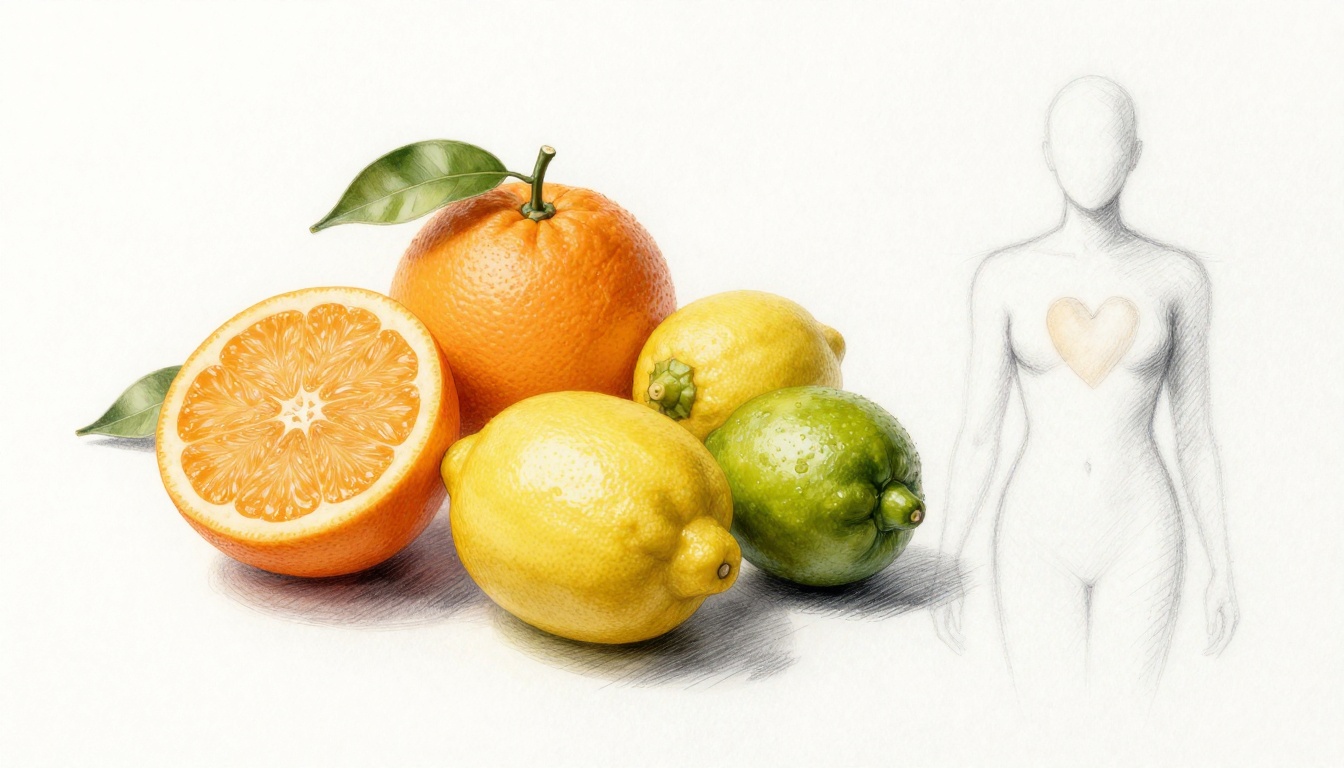
In the 1700s, sailors fought off scurvy on long voyages by chowing down on lemons and limes. Those citrus fruits saved countless lives, and now we know Vitamin C powered that fix. Today, you turn to it for beating colds faster and keeping your skin smooth and bright.
Vitamin C is an essential nutrient you get only from food, since your body can’t make it on its own. Without enough, you risk weak immunity, slow healing, and tired days. But load up right, and it boosts collagen for strong bones and fights oxidative stress that ages you.
This post breaks down what Vitamin C really is, why your body craves it for immunity and beyond, plus top food sources like oranges and peppers. You’ll spot deficiency warning signs early and learn exact daily amounts for adults and kids. Stick around to grab simple tips that keep you energized and healthy every day.
What Exactly Is Vitamin C?
You hear about Vitamin C all the time, but what makes it tick? At its core, Vitamin C is ascorbic acid, a simple compound your body uses for big jobs. It dissolves easily in water, which means it spreads fast through your bloodstream. However, because it’s water-soluble, your body flushes out extras quickly in urine. So, you grab more from food or pills every day to keep levels steady.
This nutrient powers everyday miracles inside you. Think of it as the spark that fires up collagen production for healthy skin and bones. It also neutralizes free radicals, those pesky molecules that damage cells and speed up aging. Without it, basic repairs slow down.
Most animals make their own ascorbic acid. Dogs churn it out in their livers, and cows do the same. Humans can’t, though. We lost the gene for a key enzyme called L-gulonolactone oxidase millions of years ago. A few other primates and guinea pigs share this quirk. As a result, we hunt it in oranges, peppers, and strawberries.
Natural Vitamin C from foods matches synthetic versions in supplements molecule for molecule. Your body absorbs both the same way. However, heat and light break it down fast. Boiling broccoli zaps much of its power, so raw or lightly cooked works best.
How Ascorbic Acid Works in Your Body
Ascorbic acid grabs electrons from unstable free radicals. This action stops chain reactions that harm DNA and proteins. In addition, it teams up with enzymes to make neurotransmitters like norepinephrine, which sharpens your focus.
Collagen needs it most. Without ascorbic acid, you can’t link amino acids into strong fibers for blood vessels and tendons. Scurvy proves this: gums bleed and joints ache when supplies run low.
Your kidneys filter out excess fast. That’s why daily intake matters. A single orange gives about 70 mg, enough to kickstart the day.
For deeper details on its role, check the NIH Vitamin C overview.
Natural Sources Versus Supplements
Foods pack Vitamin C with fiber and other goodies. A red bell pepper delivers 190 mg per cup, raw. Kiwi follows close with 90 mg each. Supplements offer pure ascorbic acid or buffered forms like sodium ascorbate. Both raise blood levels equally, studies show.
Heat-sensitive nature changes the game. Steaming preserves more than microwaving. Light from sunlight degrades it too, so store citrus in the fridge.
Synthetic versions cost less and last longer on shelves. Your body doesn’t care about the source. It just needs the molecule.
The Discovery That Changed Everything
Back in the 1930s, Hungarian scientist Albert Szent-Györgyi chased the scurvy cure. He pulled ascorbic acid from adrenal glands and paprika peppers. This breakthrough earned him the Nobel Prize in 1937.
Before that, folks knew citrus helped sailors. Szent-Györgyi nailed the exact compound. Today, we owe him for proving Vitamin C’s power.
His story reminds us science builds on hunches. You benefit daily from that paprika hunch.
How Vitamin C Keeps Your Body Strong and Healthy Every Day
Your body relies on Vitamin C every day for core strength and wellness. It powers much more than cold relief. This nutrient bolsters defenses, mends tissues, guards cells, and fights fatigue. As a result, you feel energized and resilient. Below, see exactly how it works in action.
Boosting Your Immune System to Fight Off Illness
Vitamin C ramps up white blood cell production. These cells form your main defense team against germs. It also toughens skin barriers, blocking invaders at the start. In short, it arms your body to fight illness fast.
Studies back this power. Regular intake shortens cold duration by 8-14%, adults see quicker recovery while kids benefit most. For example, a Cochrane review of trials shows consistent results. During infections, it protects cells from damage. Stress hikes your needs too, so you use more then.
You end up with fewer sick days. Imagine bouncing back in days, not weeks. Eat Vitamin C-rich foods daily to keep defenses sharp.
Building Collagen for Glowing Skin and Quick Healing
Vitamin C acts as a cofactor to build collagen, the protein that glues your body together. Collagen forms the base for skin, tendons, bones, and blood vessels. Without it, tissues weaken fast.
This role speeds wound healing and cuts bruising. Your skin stays smooth and firm. Gums hold tight, joints move easy. Deficiency leads to scurvy, where tissues break down and bleed. Lemons fixed that for sailors long ago.
Everyday perks add up. Scratches heal quicker. Skin glows with health. Pair it with protein-rich meals for best results. Your body thanks you with stronger structure.
Shielding Cells as a Top Antioxidant
Free radicals from pollution, sun, and stress harm cells. They speed aging and disease. Vitamin C steps in as a top antioxidant. It neutralizes these threats directly.
It also regenerates Vitamin E, another protector. Together, they keep cells youthful inside and out. Research links steady intake to lower heart risks and better eye health. Your body supports long-term wellness this way.
Focus stays positive. Daily Vitamin C helps you age gracefully. Cells repair better, energy holds steady. Simple habits yield big shields.
Improving Iron Uptake to Avoid Tiredness
Plant-based iron hides in foods like spinach. Your body absorbs it poorly alone. Vitamin C changes that. It converts iron to an easy form for uptake.
Vegetarians gain most here. Pairing boosts levels, fights anemia symptoms like fatigue. No more dragging through days. Try spinach salad with lemon dressing. The squeeze unlocks iron’s power.
In addition, it prevents tiredness from low stores. Women and athletes need this edge often. Steady supply keeps you alert. Check the NIH factsheet on iron and Vitamin C for details.
Everyday Foods Loaded with Vitamin C You Can Eat Right Now
You grab Vitamin C easiest from foods you already eat. These options beat pills because they add fiber, antioxidants, and flavor too. Adults need 75 to 90 mg daily, so one serving often covers it. Focus on fresh, colorful produce for max payoff. Steam lightly or eat raw to keep levels high; long boiling drains it fast. In April, snag strawberries at their peak. Mix fruits and veggies for balance, and try meal ideas like smoothies or salads below.
Fruits That Give the Biggest Vitamin C Bang
Tropical fruits lead the pack with huge doses per bite. Guava tops them all at over 200 mg per fruit, more than double your daily need. One small guava crushes it alone. Kiwi follows close with 90 mg each. Slice two for lunch and feel the boost.
Strawberries shine too, packing 98 mg per cup. Fresh April berries taste best now. Oranges deliver 70 mg per medium fruit, almost your full amount. Papaya adds 88 mg per cup with tropical sweetness. These picks beat basic citrus every time.
Stock your kitchen with variety. Blend guava, kiwi, and strawberries into a morning smoothie. Or snack on papaya chunks with orange slices. Your body absorbs it better this way.
For exact amounts from tests, see the USDA food database on Vitamin C.
Vegetables You Never Knew Were Vitamin C Powerhouses
Veggies surprise with even higher hits than fruits sometimes. Red bell peppers rule raw at 190 mg per cup, the top veggie source. Chop them into salads for crunch and power. Broccoli gives 90 mg per cooked cup. Steam it quick to lock in goodness.
Brussels sprouts offer 75 mg per cup roasted. Kale brings 80 mg per cup raw, perfect for smoothies. Tomatoes add 23 mg per medium one, but juice amps it up. Colorful choices like these pack the punch.
Keep it simple with raw salads or fast stir-fries. Toss red peppers, kale, and tomatoes together. Or roast Brussels sprouts with broccoli. Pair with fruits for full days. You’ll skip tiredness and stay strong.
These habits build steady levels naturally. Your skin glows, immunity holds, and energy flows because real foods work best.
How Much Vitamin C Do You Need and What Happens If You Fall Short
You need Vitamin C every day because your body can’t store much of it. Women aim for 75 mg, men target 90 mg. Smokers add 35 mg extra since cigarettes destroy the nutrient fast. Pregnant women bump up to 85 mg, while kids take less: 15 mg for ages 1-3, up to 75 mg for teens. The upper safe limit sits at 2,000 mg; push past that, and you risk stomach upset or diarrhea. Illness, stress, or burns increase your needs too, so listen to your body.
These amounts keep you strong. However, skip them often, and trouble brews. Early clues appear after weeks of skimpy intake. Spot them quick to fix the gap before worse hits.
Early Clues Your Vitamin C Levels Are Dropping
Low Vitamin C hits your collagen first, so skin and tissues weaken. Rough, dry skin shows up early; it loses that smooth feel. Cuts linger longer without fast healing. Bruises form from tiny bumps because vessels turn fragile.
Gums start bleeding during brushing or flossing. Fatigue settles in, leaving you wiped out. Joints ache, especially after activity. These signs stack up over 2-3 weeks of poor eating. For example, crash diets or skipping fruits trigger them.
Watch your body close. A few oranges or peppers reverse it fast. Don’t wait; small changes stop the slide.
Common early warnings include:
- Rough, dry skin: Moisture fades without enough nutrient support.
- Slow-healing cuts: Collagen rebuild slows to a crawl.
- Frequent bruising: Blood vessels weaken under pressure.
- Bleeding gums: Tissues can’t hold tight anymore.
- Fatigue: Energy dips as cells struggle.
- Joint pain: Cartilage frays without repair help.
Full-Blown Deficiency: The Rare but Serious Scurvy
Push low intake months longer, and scurvy takes hold. Teeth loosen and fall out because gums recede. Legs swell from fluid buildup and poor circulation. Internal bleeding starts in muscles or organs. Skin spots red or purple from broken vessels under the surface.
This old sailor plague hits hard but reverses quick with Vitamin C. Just 10 mg daily stops it in days; full recovery follows in weeks. In the US, it’s rare now thanks to varied diets. However, poor nutrition, alcohol abuse, or food restrictions like extreme veganism without planning can spark it.
The NIH details scurvy risks today. Prevention beats cure every time. Load up on peppers and citrus; your body stays safe.
Conclusion
Vitamin C powers your immunity, builds collagen for strong skin and bones, fights cell damage as an antioxidant, and boosts iron uptake to beat fatigue. Your body can’t make it, so foods like red peppers and guavas deliver it fresh every day. Sailors knew citrus saved lives back then; you know it keeps you strong now.
Adults need 75 to 90 mg daily, yet low levels spark rough skin, slow healing, bleeding gums, and tiredness after just weeks. Smokers and stressed folks use more, so steady intake prevents risks like scurvy.
Add one colorful serving today, like sliced kiwi or bell peppers. Track how your energy and skin improve over a week. If symptoms linger, chat with your doctor about tests or supplements. Small changes bring big health wins.