
Vitamin C helps your immune system fight colds and infections. You feel it most in spring when everyone seems to sniffle. Fresh produce bursts with this nutrient right now, but it fades fast if you pick wrong ones.
Old fruits and veggies lose up to 50% of their vitamin C from air and heat exposure after harvest. That’s why smart shopping matters. You’ll get more from guavas or yellow peppers than plain oranges.
This guide shows top picks based on 2026 data. You’ll learn easy ways to spot winners at the store, store them right, and keep nutrients high. Plus, trends like kohlrabi fit plant-based diets perfectly. Ready to upgrade your cart?
Why Vitamin C from Fresh Foods Beats Supplements Every Time
Fresh foods give vitamin C plus fiber and other antioxidants. Pills often lack those extras. You absorb it better from whole items too.
Think about immunity first. One bell pepper covers your daily 90 mg need and helps you skip sick days. Skin stays firm because vitamin C builds collagen. It pulls iron from plants into your blood, so you feel energized.
Oxidative stress tires you out. Foods fight it with natural teams of nutrients. Supplements miss that synergy.
Freshness counts big. Produce drops 30-50% vitamin C in days if not chilled right. Heat speeds the loss. In 2026, veggie trends like fibermaxxing push whole foods for gut health.
Supplements degrade too, but foods stay potent if fresh. You taste the difference: crisp peppers beat chalky tablets.
Why choose foods? They satisfy hunger while boosting health. Your body uses them fully. No fillers or extras.
Recent data shows kohlrabi delivers 95% of daily vitamin C per cup. It’s sweet and crunchy raw. Fennel adds flavor to salads.
Supplements work in a pinch. Foods build habits that last. You save money long-term.
Top Fresh Foods That Deliver the Most Vitamin C Per Bite
Some foods pack way more vitamin C than oranges. Recent USDA data lists them by serving. Eat raw for max levels, since heat destroys it.
Kakadu plums top the chart at 350-480 mg per plum. Acerola cherries hit 1650 mg per half cup. Guavas give 125 mg each. Yellow peppers shine at 275 mg per cup.
For details, check the USDA FoodData Central database. It tracks exact amounts.
Here’s a quick table of standouts per typical serving (daily value: 90 mg):
| Food | Serving Size | Vitamin C (mg) |
|---|---|---|
| Kakadu plum | 1 plum (15g) | 350-480 |
| Acerola cherries | 1/2 cup (49g) | 1650 |
| Guava | 1 fruit (55g) | 125 |
| Yellow bell pepper | 1 cup sliced | 275 |
| Red bell pepper | 1 medium (119g) | 152-169 |
| Kiwi | 1 medium (69g) | 64-71 |
| Strawberries | 1 cup whole | 90 |
| Broccoli | 1 cup chopped | 81 |
| Kale | 1 cup chopped | 80-93 |
| Orange | 1 medium | 70 |
This table shows peppers beat oranges easily. Focus on easy finds like strawberries in April.
Vitamin C Powerhouse Fruits You Can Grab Today
Guavas taste tropical with a punch. One gives 125 mg, plus protein. Slice them for snacks.
Acerola cherries pack 1650 mg per half cup. They’re tart like cranberries. Find them dried or frozen if fresh scarce.
Kakadu plums lead at 350-480 mg. They’re rare in US stores but worth hunting at specialty spots.
Kiwi offers 64-71 mg. Eat the skin for extra fiber. It’s fuzzy but mild.
Strawberries deliver 90 mg per cup. In April, they’re peak season. Plump ones shine red.
Oranges hit 70 mg. They’re common, but others outdo them.
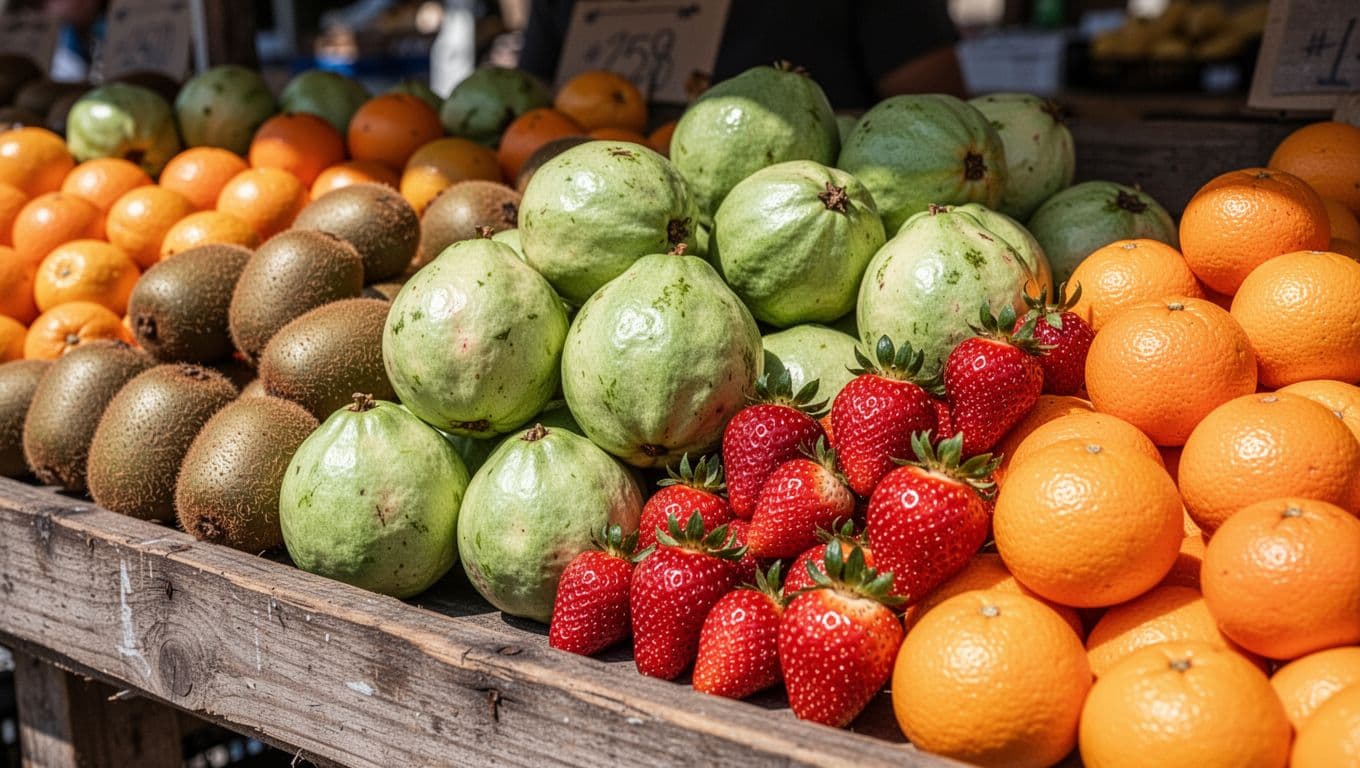
These fruits mix sweet and tangy. They fit smoothies or salads.
Veggie Stars Bursting with Vitamin C
Yellow peppers give 275 mg per cup. They’re sweet and crisp raw.
Red bell peppers follow at 152-169 mg each. Slice for dips.
Chili peppers pack 109 mg apiece. Use mild ones for heat without burn.
Broccoli provides 81 mg per cup. Florets stay tender raw or steamed light.
Kale hits 80-93 mg. Massage leaves for softer salads.
Peppers top oranges by far. Their crunch adds fun to meals.
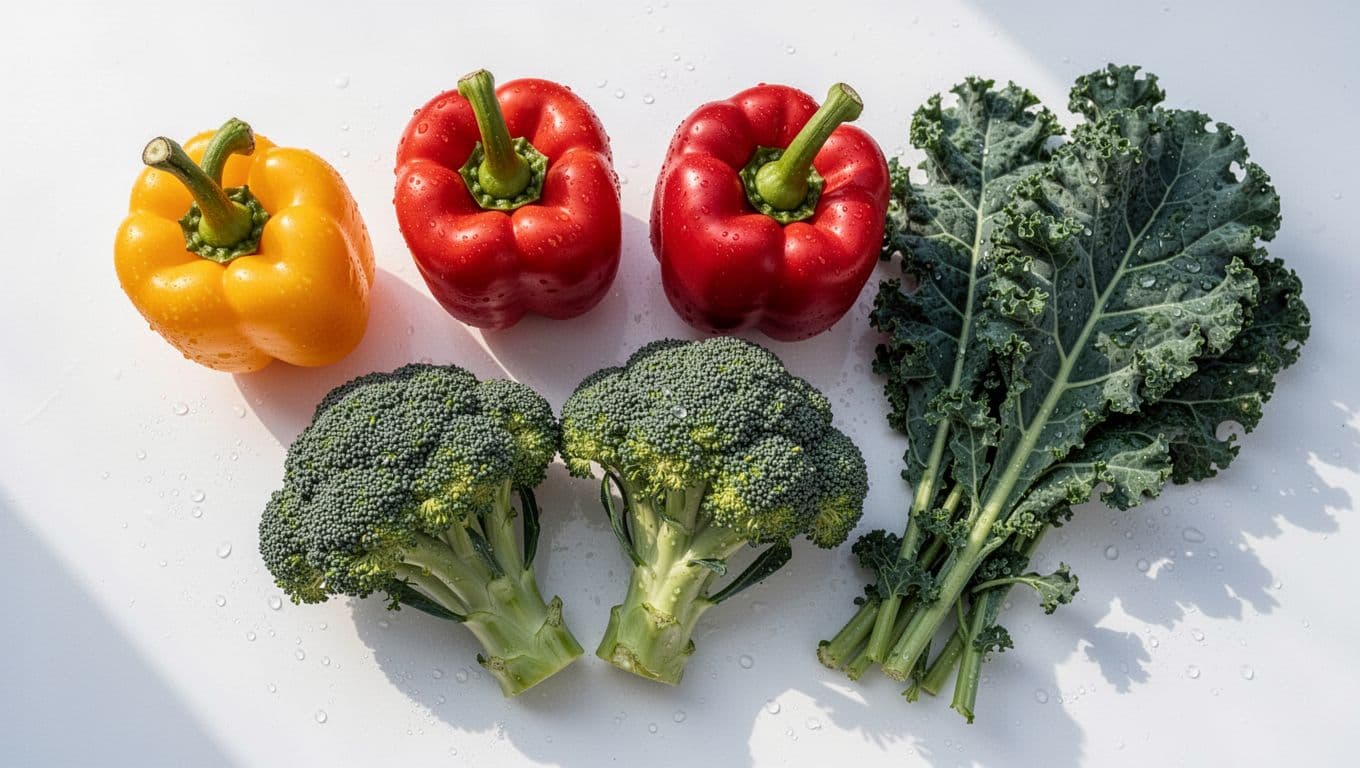
In 2026, kohlrabi trends up at 95% DV per cup. It tastes like mild cabbage.
Eat these raw often. They keep vitamin C high.
How to Pick the Freshest Produce for Peak Vitamin C Levels
Freshness locks in vitamin C. Old stock loses half fast. Shop smart to win.
Go mornings when stores restock. Produce stays chilled overnight.
Pick local or in-season. Less travel means more nutrients. April strawberries qualify.
Avoid pre-cut bags. They expose flesh to air.
Visual checks rule. Bright colors signal life. Firm texture means full load.
Smell sweet notes. Sour means decline.
For a guide on choosing vitamin C-rich vegetables, see this resource.
Walk the aisles like this: squeeze gently, inspect bottoms, weigh for density.
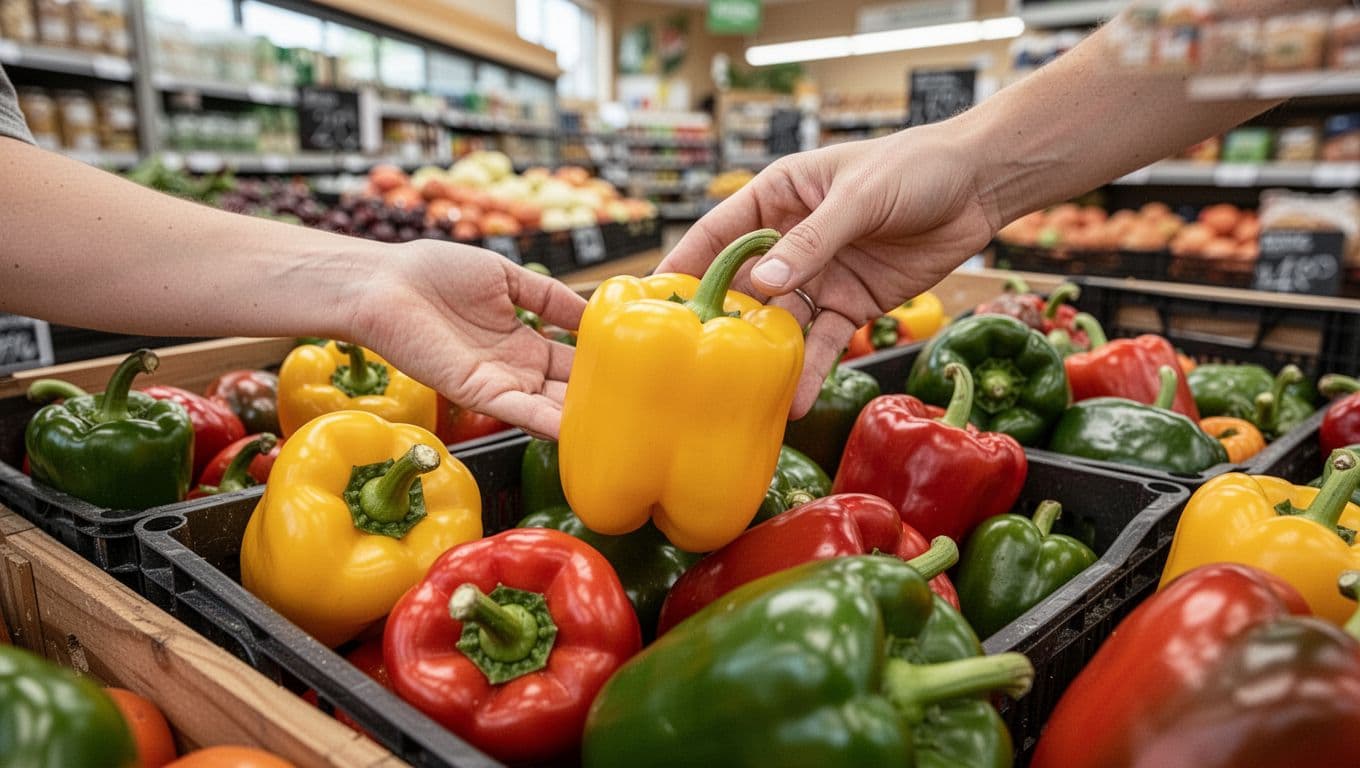
This boosts immunity naturally.
Signs of Freshness for Fruits High in Vitamin C
Strawberries look shiny, no mush. Caps stay green.
Kiwi feels firm, smooth skin. Avoid wrinkled ones.
Guavas smell fragrant. No blemishes or soft spots.
Oranges weigh heavy, peel glossy. Bounce back from squeezes.
What to Look for in Vitamin C-Rich Veggies
Peppers show vibrant shine, heavy feel. Stems green.
Broccoli has tight florets, deep green. No yellow.
Kale leaves crisp, not wilted. Bunches plump.
Store and Prep Your Finds to Lock in Vitamin C
Fridge most items right away. Berries last 3-5 days in shallow containers.
Citrus goes cool and dry. No fridge chill needed.
Skip heat or light. They kill vitamin C quick.
Cut just before eating. Exposure drops levels 20% fast.
Steam broccoli light if cooking. Boiling leaches it out.
Freeze extras whole. Thaw and eat soon.
Don’t overload crisper drawers. Air flow matters.
For storage tips to cut vitamin C loss, check basics here.
Common mistake: washing too soon. Dry them first.
Prep simple: peppers raw in salads, strawberries whole.
Your efforts pay off in full nutrition.
Quick Wins for Vitamin C Every Day
Top picks like yellow peppers and guavas deliver big. Shop mornings, check firmness, fridge smart.
Stronger immunity comes natural. No pills needed.
Head to the store this week. Grab peppers for a strawberry-pepper salad: slice both, add lime.
What high-C food do you love? Share below. Your body thanks you.