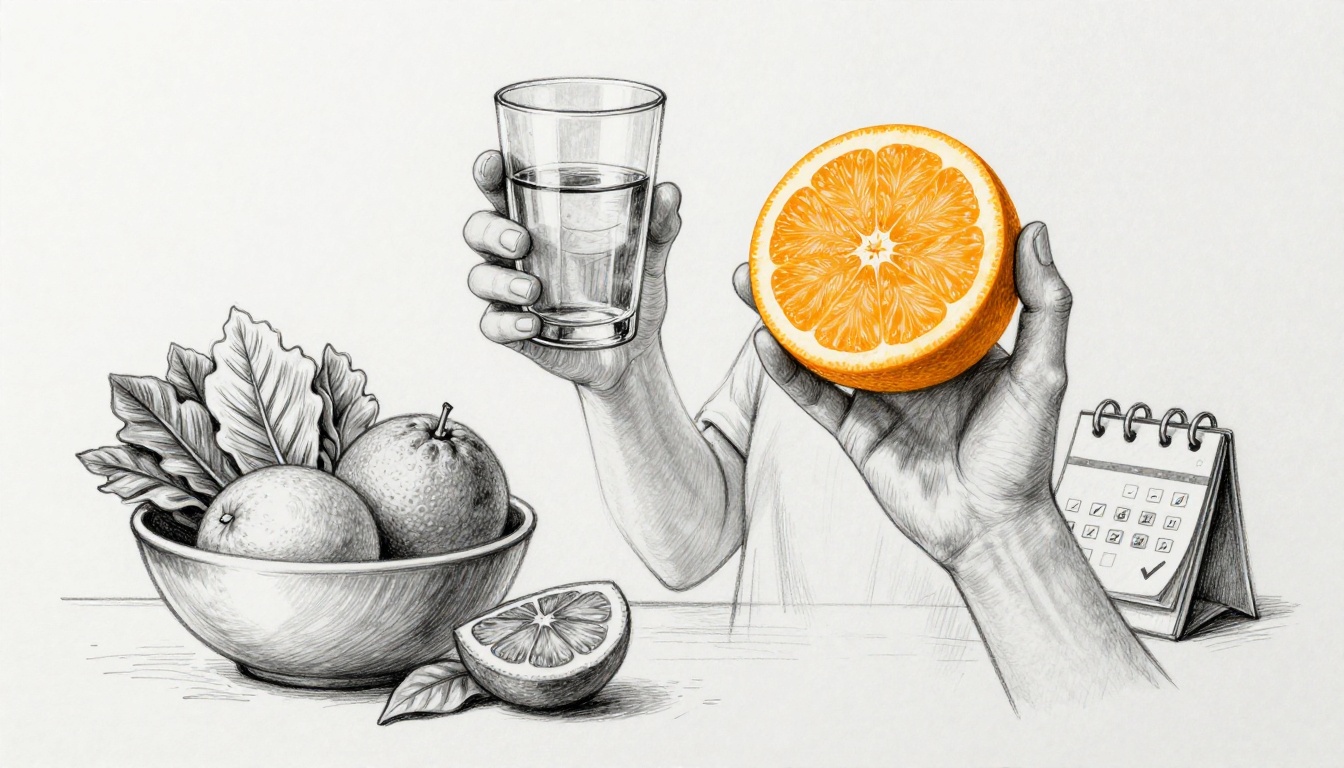
Do you drag through your day feeling wiped out, or catch one cold after another? You’re not alone. Low vitamin C levels affect about 42% of US adults, and they often show up first as fatigue or nagging tiredness.
Vitamin C works as a powerful antioxidant. It bolsters your immunity by protecting cells and helping white blood cells fight germs. Plus, it supports skin health through collagen production and may lower heart disease risk by keeping arteries flexible and reducing inflammation.
Adults need 75 mg daily if you’re female or 90 mg if male. Smokers add 35 mg more because smoking drains vitamin C fast. Early deficiency signs include fatigue, easy bruising, or bleeding gums; in rare cases, it leads to scurvy with joint pain and slow-healing wounds.
The good news? You can maintain vitamin C levels with everyday habits. In this post, you’ll find simple, food-focused steps and lifestyle tweaks to build steady intake. No supplements needed; just real changes that stick. Let’s dive in.
Unlock the Health Wins of Keeping Vitamin C Topped Up
You feel better when vitamin C stays steady in your body. This nutrient fights off germs by boosting white blood cells and strengthening skin barriers. In addition, it shields your eyes from damage and may lower cataract risk through its antioxidant power. Your heart benefits too, as vitamin C cuts oxidative stress and helps keep arteries clear.
Skin glows brighter with enough vitamin C. It builds collagen, the protein that heals wounds and keeps tissues firm. Without it, cuts linger longer. Food sources absorb better than pills, so daily habits beat supplements for steady results. For example, your body uses vitamin C from oranges or peppers more efficiently alongside other nutrients.
Recent NIH guidelines set clear daily needs. Men require 90 mg, while women need 75 mg. Smokers add 35 mg extra because tobacco burns through it fast. Pregnant women aim for 85 mg, and those breastfeeding hit 120 mg.
Here’s a quick look at those targets:
| Group | Daily Amount (mg) |
|---|---|
| Men (19+) | 90 |
| Women (19+) | 75 |
| Pregnant women | 85 |
| Breastfeeding women | 120 |
| Smokers (extra) | +35 |
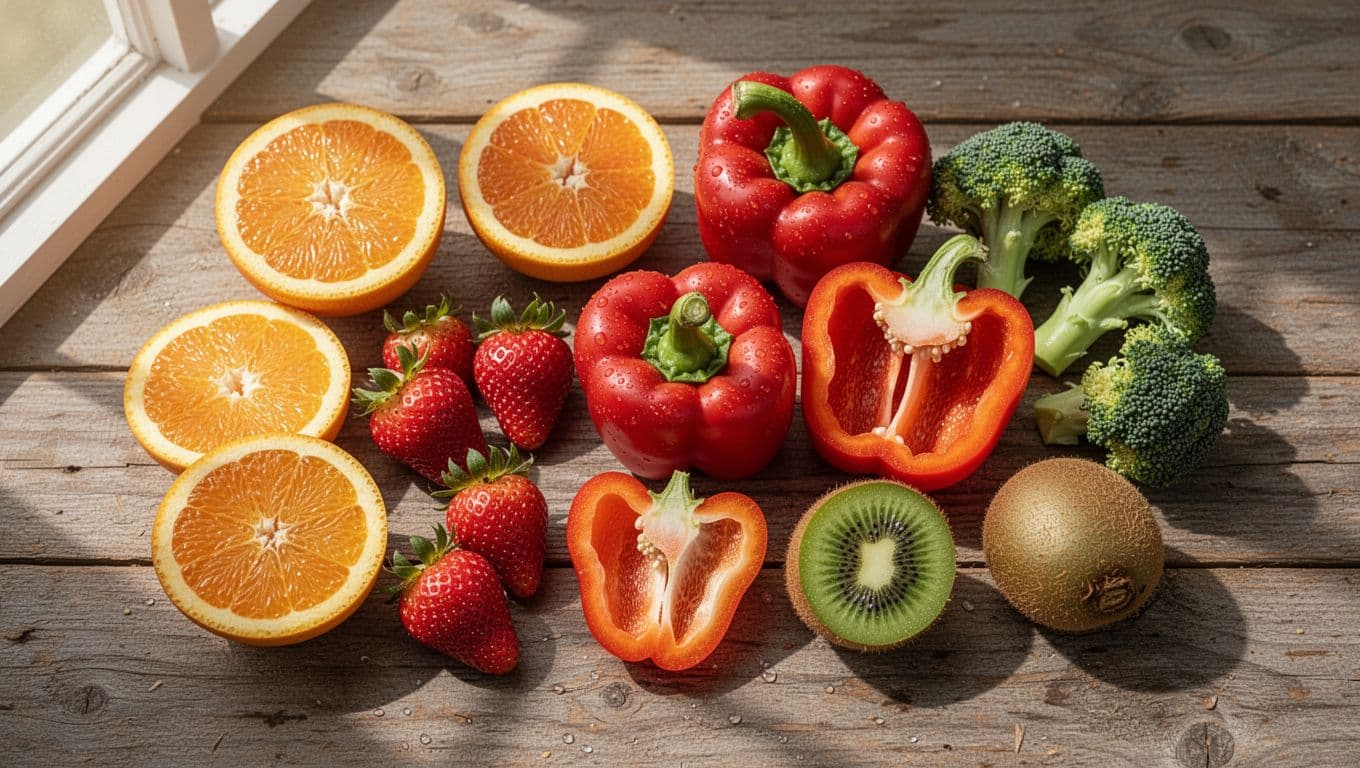
These foods pack the punch your body craves. About 42% of US adults fall short from diet alone, raising risks like weakness or anemia. Build habits now, and you sidestep those issues while reaping the perks.
Spot the Signs Your Vitamin C is Running Low
Early clues pop up before problems worsen. You might notice easy bruising from weak blood vessels. Wounds heal slowly because collagen falters. Dry, rough skin appears, often with bumpy “chicken skin” on arms. Fatigue drags you down, even after rest.
Gum issues signal trouble too. Bleeding or swelling happens with brushing. In severe cases, scurvy brings tooth loss, joint pain, and anemia. Poor diets speed this up, especially if you skip fruits and veggies. Smoking depletes stores twice as fast, so puffers face higher odds.
Real life hits hard. A busy week of takeout leaves you tired and bruised. Check Merck Manual on vitamin C deficiency symptoms for details.
See a doctor if these linger. Blood tests confirm levels, and tweaks fix it fast. Don’t wait; steady vitamin C keeps you strong.
getRealtimeData
["vitamin C mg per serving in common foods US RDA oranges kiwi strawberries red bell peppers broccoli brussels sprouts portions half cup orange juice USDA NIH data 2024"]
getRelevantLinks
["vitamin C content in fruits and vegetables USDA", "NIH vitamin C food sources", "natural vitamin C rich foods list"]
getRelevantLinks
["vitamin C in red bell peppers broccoli Brussels sprouts", "best ways to eat vitamin C foods raw steamed"]
Build These Easy Habits for Lifelong Vitamin C Balance
Simple habits lock in vitamin C balance for good. You don’t need big overhauls. Instead, tweak meals, daily moves, and kitchen tricks. These steps fit busy schedules and deliver steady levels around 200 mg daily from food. That amount from diet links to lower stroke risk, per NIH research on vitamin C intake. Start small, and your energy stays up.
Daily Eating Routines That Stick
Kick off mornings right. Squeeze fresh orange juice into breakfast or eat a whole orange. One medium orange gives about 70 mg of vitamin C. Add grapefruit slices for extra punch. Your body absorbs it fast on an empty stomach.
Lunch calls for salads. Toss in red bell peppers and tomatoes. A cup of raw sliced peppers packs 190 mg. Dress lightly; heavy sauces steal nutrients. Keep it crunchy for max benefit.
Snacks keep levels even. Grab a handful of strawberries or a kiwi. One cup of berries nets nearly 100 mg. Swap chips for these; you’ll crave less junk.
Build routines that last. Prep meals on Sundays: chop peppers and portion berries. Track intake with a phone note or app. Aim for 5 or more colorful fruits and veggies daily. Here’s how:
- Breakfast boost: Citrus fruit plus yogurt.
- Lunch load-up: Pepper salad with greens.
- Snack smart: Berries or kiwi mid-afternoon.
- Dinner add-on: Broccoli side (steamed).
Busy? Pack portable snacks. These swaps add up quick without effort.

Lifestyle Changes That Boost Retention
Smoking drains vitamin C fast. It ramps up oxidative stress, so smokers need 35 mg extra daily. Quit now; levels rebound in weeks. Try patches or apps for support.
Moderate exercise helps too. Walk briskly 30 minutes most days. It improves blood flow and antioxidant use. Your body holds vitamin C better during activity.
Stress eats antioxidants. High cortisol pulls from stores. Manage it with deep breaths or short walks. Ten minutes daily cuts the drain.
Sun plays a role. Get outdoors for vitamin D; it teams with C for better uptake. Combine with exercise for double wins.
For busy folks, stack habits. Walk during calls. Use quit-smoking apps. These changes retain more vitamin C naturally.
Aim for 200 mg from food. It supports heart health and slashes stroke odds by up to 42%, based on long-term studies.
Smart Cooking to Keep Vitamin C Intact
Heat and water zap vitamin C. It breaks down above 158°F and leaches into cooking liquid. Choose methods that protect it.
Steam over boil. Veggies like broccoli keep 80% more vitamin C after five minutes steaming. Boiling loses half to water.
Eat raw when safe. Slice peppers or carrots fresh. They hold full potency uncooked.
Store smart. Keep produce whole in the fridge crisper. Cut right before eating to trap goodness.
Quick tips make it easy:
- Steam broccoli or Brussels sprouts briefly.
- Microwave peppers with a splash of water.
- Freeze berries whole for smoothies.
- Buy local for peak ripeness.
These preserve nearly full vitamin C. Your meals stay potent without fuss. Test one change this week; notice the difference.
getRelevantLinks
["NIH vitamin C stroke risk reduction 200 mg diet", "quitting smoking improves vitamin C levels", "best cooking methods to preserve vitamin C steaming vs boiling"]
getRealtimeData
["vitamin C retention steaming vs boiling broccoli peppers USDA 2024", "daily vitamin C from 5 fruits veggies examples mg US portions"]
generateImage
{
  "sectionTitle": "Smart Cooking to Keep Vitamin C Intact",
  "imageIntent": "visual comparison of steaming vegetables versus boiling to show preserved vibrant color and freshness",
  "prompt": "photorealistic split image: left side shows broccoli florets steaming in a basket over boiling water vibrant green, right side boiled broccoli wilted pale in pot, fresh produce emphasis, kitchen setting soft lighting no text"
}
Skip These Vitamin C Myths to Stay on Track
Myths about vitamin C confuse many people. They lead you away from simple habits that work. Let’s clear them up so you focus on real strategies. In addition, knowing the facts helps you trust your routine.
Vitamin C Cures Every Cold
People swear by it for colds. However, vitamin C does not prevent or cure them outright. Studies show it shortens symptoms slightly at high doses, like 200 mg daily or more during illness. For example, routine intake cuts cold duration by 8% in adults. Yet, it fails to stop infections.
Regular food sources provide enough without megadoses. So, eat your peppers and berries instead of chasing a cure-all. Check NIH facts on vitamin C and colds for the full breakdown.
You Need Supplements Over Food
Pills seem easy. But food wins every time because it pairs vitamin C with fiber and other nutrients for better absorption. Supplements often pass through unused, especially above 200 mg at once. Your body pees out the excess anyway.
Diet delivers steady levels without waste. One bell pepper matches many pills, plus extras for gut health. Recent reviews confirm whole foods lower disease risk more than isolates. Stick to meals; save money too.
More Than 2,000 mg Daily Harms Nothing
High hopes drive megadoses. However, over 2,000 mg causes stomach upset, diarrhea, or nausea. Your kidneys flush most out, so it offers no extra perks. The upper limit sits at 2,000 mg for safety.
Balance matters. Aim for 200 mg from food daily. That supports immunity without side effects. Busy days tempt quick fixes, but habits build lasting health.
Skip these traps. You stay energized when facts guide you. Real food keeps vitamin C levels right where they belong.
Conclusion
You now know how to build healthy habits to maintain vitamin C levels. Eat colorful produce like peppers and berries daily. Cook smart by steaming veggies. Live healthy with walks and stress breaks.
These steps keep your energy up and colds away. Remember, 42% of adults fall short, but you don’t have to. Simple swaps deliver steady wins for immunity and skin.
Pick three habits this week. Track your energy boost in a quick note. Consult your doctor for personal needs, especially if you smoke.
Small changes lead to big health wins. Start today; feel the difference soon. What’s your first habit?