
You reach for vitamin C supplements to fend off colds or boost your immune system. Oranges and bell peppers already supply plenty for most folks. Still, many take extra pills for that edge.
Supplements shine when diets fall short. But doses over 2,000 mg daily often spark trouble. Your body flushes excess through urine or stool. That process irritates your gut.
Healthy people handle normal amounts fine. Excess brings risks, though. Mayo Clinic details vitamin C overview and risks. We’ll break down common stomach woes, rare dangers, safe limits, and smart habits. You can enjoy benefits without the backlash.
Everyday Side Effects Like Tummy Troubles You Might Feel
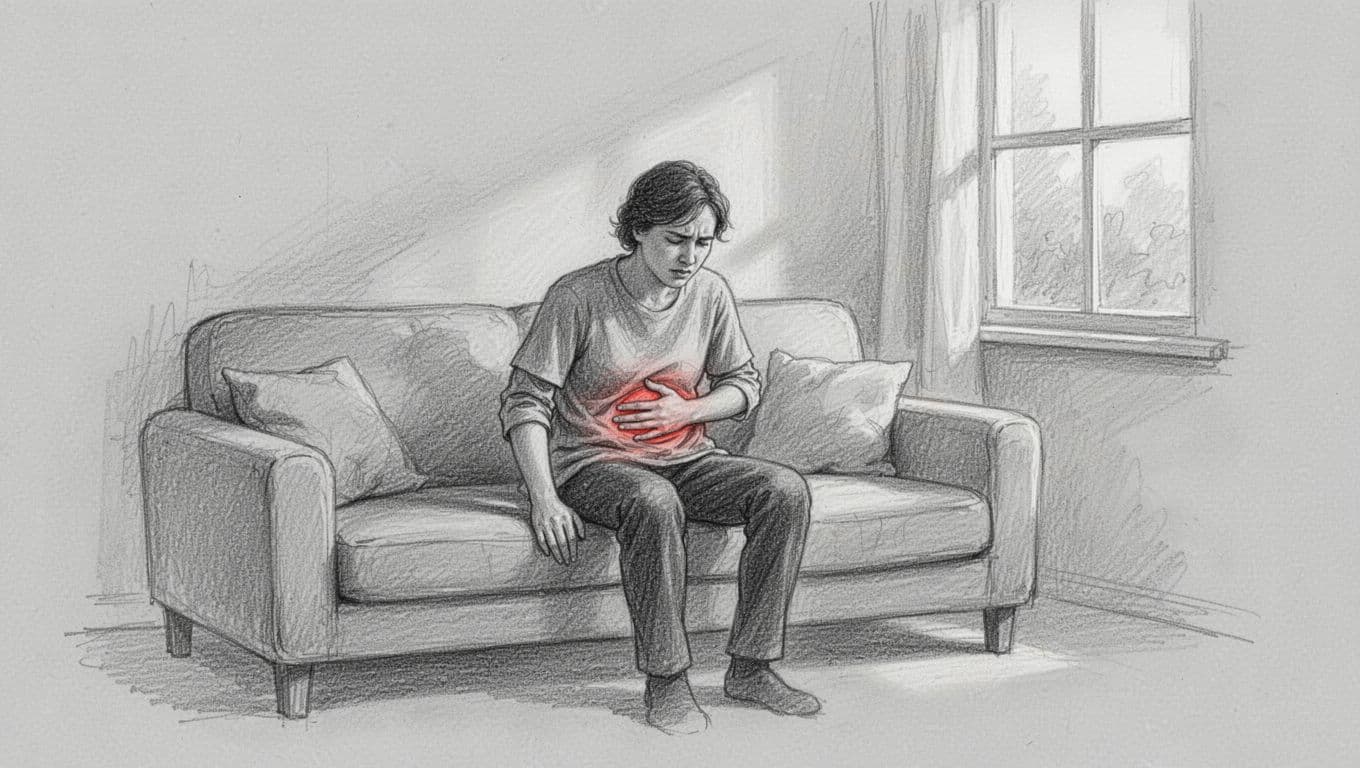
High doses from supplements hit your digestion hard. Food sources rarely cause issues because they release vitamin C slowly. Pills pack it in concentrated bursts. Over 2,000 mg overwhelms your gut. Then diarrhea or nausea kicks in.
These effects fade fast when you cut back. Picture downing a fistful of gummy vitamins after dinner. An hour later, your stomach churns. That’s the body saying enough.
Most complaints stem from doses above the 2,000 mg cap. They signal your intestines can’t absorb more. Water pulls into the bowel, loosening stools. Nausea follows as irritation builds.
Split your daily dose throughout the day. Take 500 mg with breakfast, lunch, and dinner. That eases the load. Your body absorbs what it needs each time.
Diarrhea and Nausea: The Top Complaints
Diarrhea tops the list. It starts around 2,000 mg or higher. Stools turn watery as unabsorbed vitamin C draws fluid. Your body aims to expel the surplus.
Nausea pairs with it often. Queasiness builds in your stomach. You feel full or uneasy after meals. These hit because ascorbic acid irritates the lining.
For most, they pass in a day. Drink water and rest. Healthy guts recover quick. Still, they disrupt your routine.
Cramps, Heartburn, Headaches, and More
Stomach cramps follow close. They cramp like a bad burrito. High acid levels trigger spasms.
Heartburn bubbles up next. Acid reflux worsens with big doses. Your esophagus burns. Vomiting happens in tougher cases.
Headaches round it out. They stem from dehydration or tension. Less common, but they nag.
All fix with lower doses. Drop to 500 mg. Symptoms vanish fast.
Rarer Risks That Demand Your Attention
Serious issues pop up with very high or long-term doses. They affect few healthy people. Kidney stones lead concerns. Excess vitamin C turns to oxalate in urine. That builds crystals.
History of stones raises odds. Chronic kidney problems amplify it. Smokers absorb less, so they dose higher. Watch limits anyway.
NIH fact sheet covers vitamin C health risks. No deaths from overdose in normals. Issues stay rare below 2,000 mg.
Iron overload threatens specific groups. Vitamin C boosts iron uptake from food. Fine for most. Genetic conditions change that.
Kidney Stones and Potential Damage
Oxalate from high doses forms stones. Risk climbs over 1,000 mg daily. One case linked 4 grams to stones after months. Studies show low odds, about 0.15% yearly.
Prone folks face higher chances. Kidney disease speeds harm. Stay under 1,000 mg if at risk.
Iron Buildup and Blood Problems
Hemochromatosis patients absorb too much iron. Organs suffer from buildup. Thalassemia adds worry.
G6PD deficiency risks red cell breakdown. Diabetics see false high blood sugar readings. Monitors glitch with ascorbic acid.
Consult doctors if these apply. They tailor safe amounts.
Safe Amounts, Risky Groups, and Med Mix-Ups
Stick to recommended levels. Food delivers them best. Supplements fill gaps only.
Men need 90 mg daily. Women take 75 mg. Pregnancy bumps it to 85 mg. Breastfeeding requires 120 mg. Kids scale down by age.
Upper limit sits at 2,000 mg for adults. Children cap lower. Exceed it, and gut woes start.
Here’s a quick breakdown from U.S. guidelines:
| Group | Age | RDA (mg/day) | UL (mg/day) |
|---|---|---|---|
| Children | 1-3 years | 15 | 400 |
| Children | 4-8 years | 25 | 650 |
| Teens (boys) | 14-18 years | 75 | 1,800 |
| Adults (men) | 19+ years | 90 | 2,000 |
| Adults (women) | 19+ years | 75 | 2,000 |
| Pregnant (women) | 19+ years | 85 | 2,000 |
| Breastfeeding | 19+ years | 120 | 2,000 |
Smokers add 35 mg to RDA. This table sets safe bounds. Food stays safest.
Daily Needs and the 2,000 mg Safety Cap
Eat citrus, peppers, broccoli. They provide steady supply. Test for deficiency first.
Who Should Skip or Limit High Doses
Kidney patients top the list. Stone history demands caution. Hemochromatosis, thalassemia, G6PD folks limit intake.
Diabetics watch monitors. Always check with your doctor.
Drugs That Clash with Vitamin C
High doses weaken antibiotics like tetracycline. Blood sugar tests skew high.
Mayo Clinic explains excess harm. Review meds with pros.
Key Takeaways on Vitamin C Safety
Mild gut issues dominate high-dose side effects. Serious risks hit select groups. Food sources beat supplements every time.
Stay under 2,000 mg. Chat with your doctor if at risk. Balance keeps you healthy.
Tried high doses? Share below. Prioritize whole foods for that immune lift.