
Everyone grabs vitamin C supplements to fight colds and boost immunity. You see them everywhere, from drugstores to online ads. But these pills aren’t safe for all. High doses over 2,000 mg daily can cause real harm, like kidney stones or worse.
Vitamin C helps make collagen, heal wounds, and protect cells as an antioxidant. Most folks get plenty from food. Think oranges, strawberries, bell peppers, or broccoli. A single orange covers your daily need of about 90 mg. So why risk supplements?
Certain health issues, medications, or life stages make vitamin C pills dangerous. They can lead to oxalate buildup for kidney stones or iron overload in blood disorders. You might face drug clashes too. This post covers kidney problems, blood conditions, med interactions, and age or lifestyle factors. Always chat with your doctor before starting any supplement. It could save your health.
Why Kidney Issues Make Vitamin C Supplements a Bad Idea
Your kidneys filter waste from blood. High vitamin C doses change into oxalate. This compound builds up and forms crystals. Those crystals turn into stones or damage kidney tissue. People with kidney history face bigger risks.
For example, men taking 1,000 mg daily doubled their stone risk over years, per studies. Recent data shows over 20 cases of acute kidney injury from megadoses. One woman ended up on dialysis for life. So if you have any kidney concern, skip the pills.
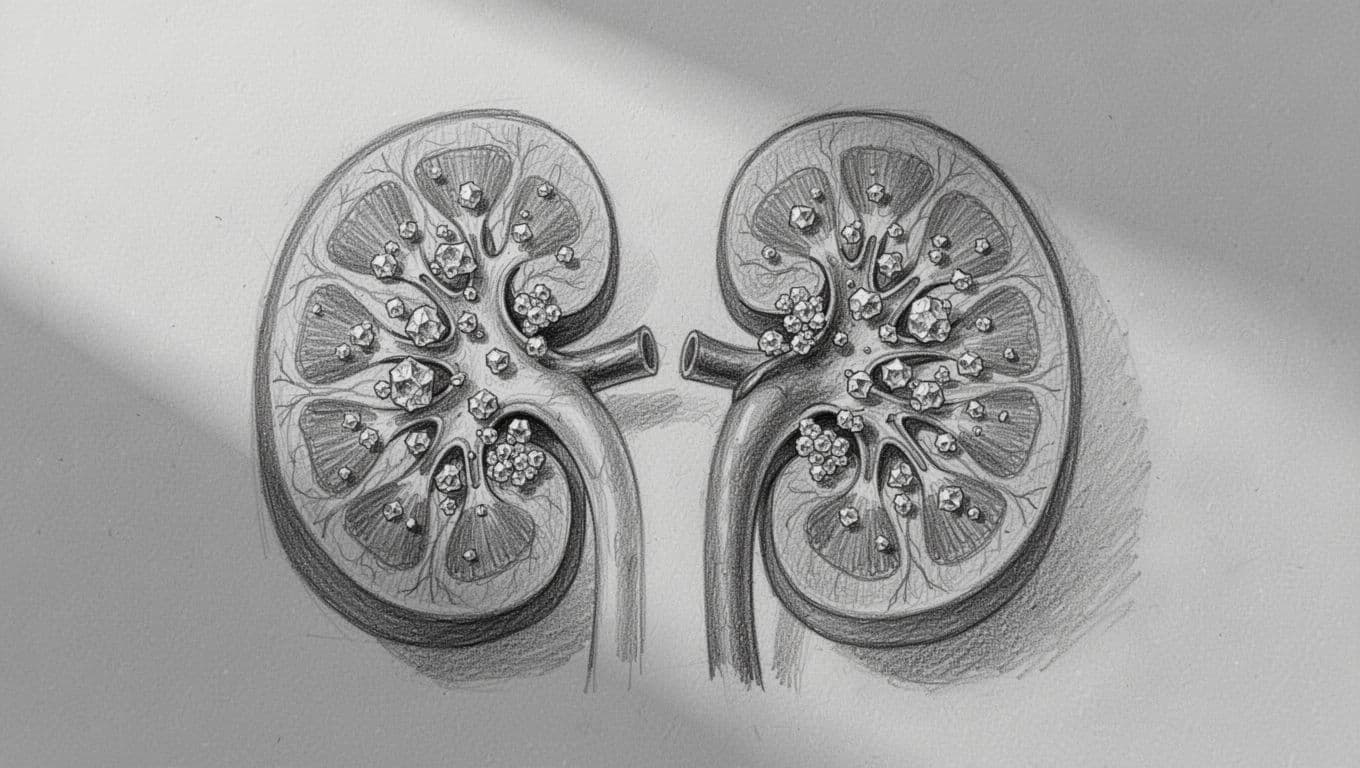
Stick to food sources instead. They provide vitamin C without the oxalate spike. Water helps flush kidneys too. But supplements overwhelm the system.
History of Kidney Stones
Past kidney stones mean you stay at risk. Vitamin C breaks down to oxalate in the body. Oxalate binds calcium in urine. This mix creates sharp stones that block flow and cause pain.
Studies link high doses to more stones. For instance, research followed thousands and found supplement users at higher odds. If you’ve passed stones before, your body struggles more. Avoid extra vitamin C. Drink fluids and eat low-oxalate foods like cauliflower.
OnlyMyHealth details vitamin C’s stone risk. Doctors often test urine oxalate after big doses.
Chronic Kidney Disease and Dialysis
Chronic kidney disease slows filtration. Vitamin C piles up as oxalate. This worsens damage or causes failure. Dialysis patients absorb less but still risk crystals in blood.
April 2026 data warns of faster decline in stages 3-5 CKD. Over a third of these patients take supplements unaware. Kidneys can’t clear extras, so toxicity hits hard. Only use under doctor watch. They might limit to 60 mg daily.
Food stays safe because absorption matches needs.
Blood Disorders That Clash with Vitamin C
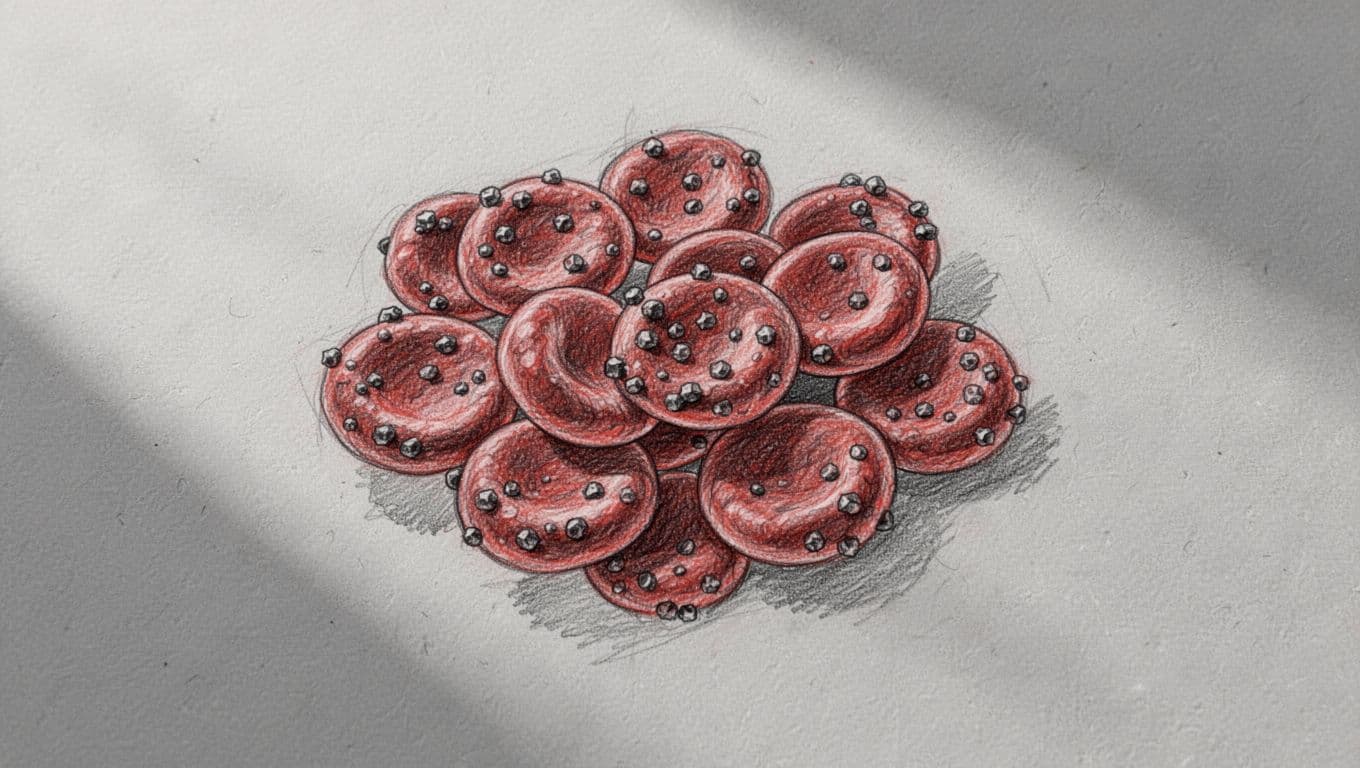
Vitamin C pulls iron into the body like a magnet. That’s great for most. But some blood conditions overload on iron already. Supplements speed up harm. Genetic issues make cells fragile too.
Hemochromatosis stores too much iron. G6PD deficiency breaks red cells under stress. Thalassemia or sickle cell add risks. High doses trigger breakdowns.
Know your family history. Tests spot these early.
Hemochromatosis and Iron Overload
This genetic disorder absorbs extra iron from food. Organs like liver and heart suffer fatigue, joint pain, or diabetes. Vitamin C boosts uptake by 2-3 times.
Avoid supplements completely. Even 500 mg risks overload. Mayo Clinic outlines treatment. Blood removal controls it, not diet tweaks alone. Eat tea or coffee with meals; they block iron.
Symptoms build slow. Get ferritin tested yearly.
G6PD Deficiency Risks
G6PD lacks an enzyme that shields red blood cells. High vitamin C acts as an oxidant. It bursts cells, causing anemia or jaundice.
Doses over 500 mg triggered cases in studies. Common in males of African, Mediterranean, or Asian descent. Avoid during illness too. Food doses rarely cause issues.
Check with genetic tests. Safer paths exist for immunity.
Medications That Interact Poorly with Vitamin C Supplements
Pills mix badly sometimes. Vitamin C changes how drugs work or harms organs. Blood thinners, hormones, pain relievers top the list. It raises levels of some, blocks others.
Always ask your pharmacist. Timing matters; space doses by two hours. Recent checks show 30+ interactions.
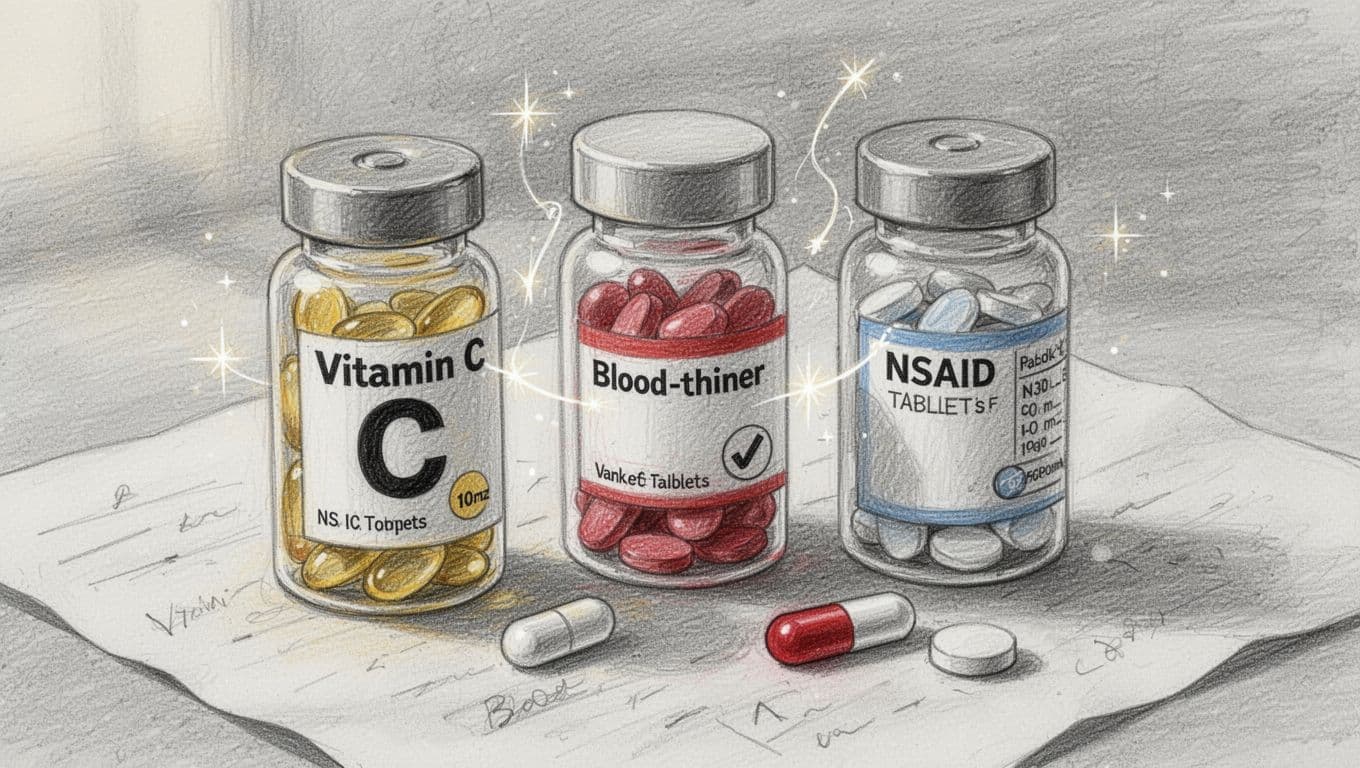
Drugs.com lists vitamin C interactions. Track your full list.
Blood Thinners and Hormone Therapies
Warfarin users face clotting swings. Vitamin C cuts its effect, raising bleed risk. Estrogen from birth control or HRT builds up with vitamin C. This spikes side effects like clots.
Monitor INR closely if you must take both. Doctors adjust doses. One study showed big changes after weeks.
Pain Relievers, Cholesterol Meds, and More
NSAIDs like ibuprofen harm kidneys more with vitamin C. Aluminum antacids bind it, blocking absorption. Statins or niacin lose power; cholesterol rises.
HIV protease inhibitors clash too. Chemotherapy, tetracycline, or corticosteroids face issues. Acetaminophen levels jump, stressing liver.
Health.com warns on key mixes. Short-term use might pass, but chronic needs review.
Age, Lifestyle, and Other Reasons to Skip Supplements
Kids and seniors process vitamin C different. Lifestyles like smoking deplete it but raise stone odds. Other spots include cancer or transplants.
No total ban for pregnancy, but get advice. High doses hit everyone harder over time.
Elderly Folks and Young Children
Seniors absorb less but risk stones more. Kidneys weaken with age. Side effects like diarrhea hit harder too.
Kids need tiny amounts, 15-45 mg. Studies lack on high doses. Food covers it easy. Parents, skip the gummies unless prescribed.
Smokers, Drinkers, and Special Health Situations
Smokers use 35 mg extra daily; get it from peppers, not pills. Alcohol ups stone risk. Cancer slows metabolism; anorexia starves it.
Liver transplants or allergies complicate. Vegan diets might need checks, but food first.
Stick under 2,000 mg always. Doctor knows your case.
Kidney woes, blood disorders, med clashes, and age factors signal stop on vitamin C supplements. Food sources deliver safe amounts without risks. Oranges or kale work wonders.
Talk to your doctor before any bottle, especially megadoses. They tailor to you. Share your story in comments. What changed your supplement habits? Stay smart for better health.