
You toss fresh oranges and broccoli into the fridge without a second thought. Yet studies show poor storage habits cause up to half the Vitamin C to vanish in days. This key nutrient supports your immunity and skin health every day.
Heat, air, and light speed up the loss. Recent research confirms cold spots slow that breakdown. You can keep more Vitamin C with simple changes for citrus, berries, broccoli, and peppers.
This post shares research-backed steps. Follow them, and your produce stays nutrient-packed longer.
Why Vitamin C Fades Fast and How Cool Storage Saves It
Vitamin C acts like a fragile bubble. It pops fast from heat, air exposure, and light. Enzymes in produce break it down even after harvest.
Research shows oranges lose much of their Vitamin C by day 12 at room temperature. Warmer spots speed oxidation. In contrast, cold slows those reactions.
Fridges at 35 to 40 degrees Fahrenheit work best for most items. They cut enzyme action without stopping it cold. One study found refrigerated storage holds 80 to 90 percent more Vitamin C in citrus than counters do.
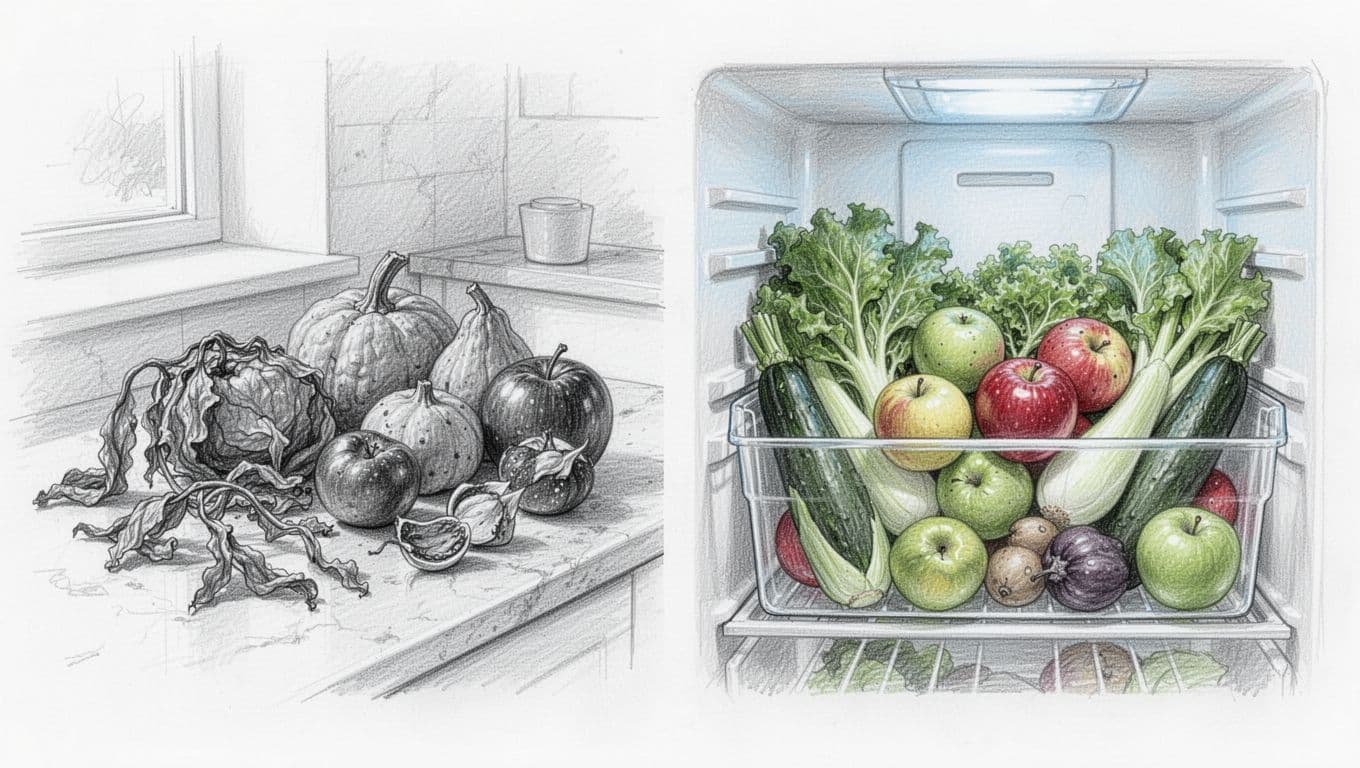
Exceptions exist, however. Tomatoes, bananas, and potatoes suffer chill damage in the fridge. They turn sugary or spotty. Lemons also prefer counters to avoid pith bitterness.
Keep skins on as long as possible. Cutting exposes more surface to air. Store whole items in breathable spots.
Room temperature works short-term for some. After that, Vitamin C drops quick. Cold storage buys you weeks of nutrition.
Store These Vitamin C-Rich Fruits to Lock in Nutrients Longer
High-Vitamin C fruits like citrus and berries pack the most punch. Proper spots keep their levels steady. Always pick firm, unbruised ones first.
Unwashed storage fights mold best. Moisture breeds trouble. Use ventilated bags or bowls.
Recent data favors fridges for these stars. Room temp suits short holds only.
Citrus Stars: Oranges, Lemons, Limes, and Grapefruit
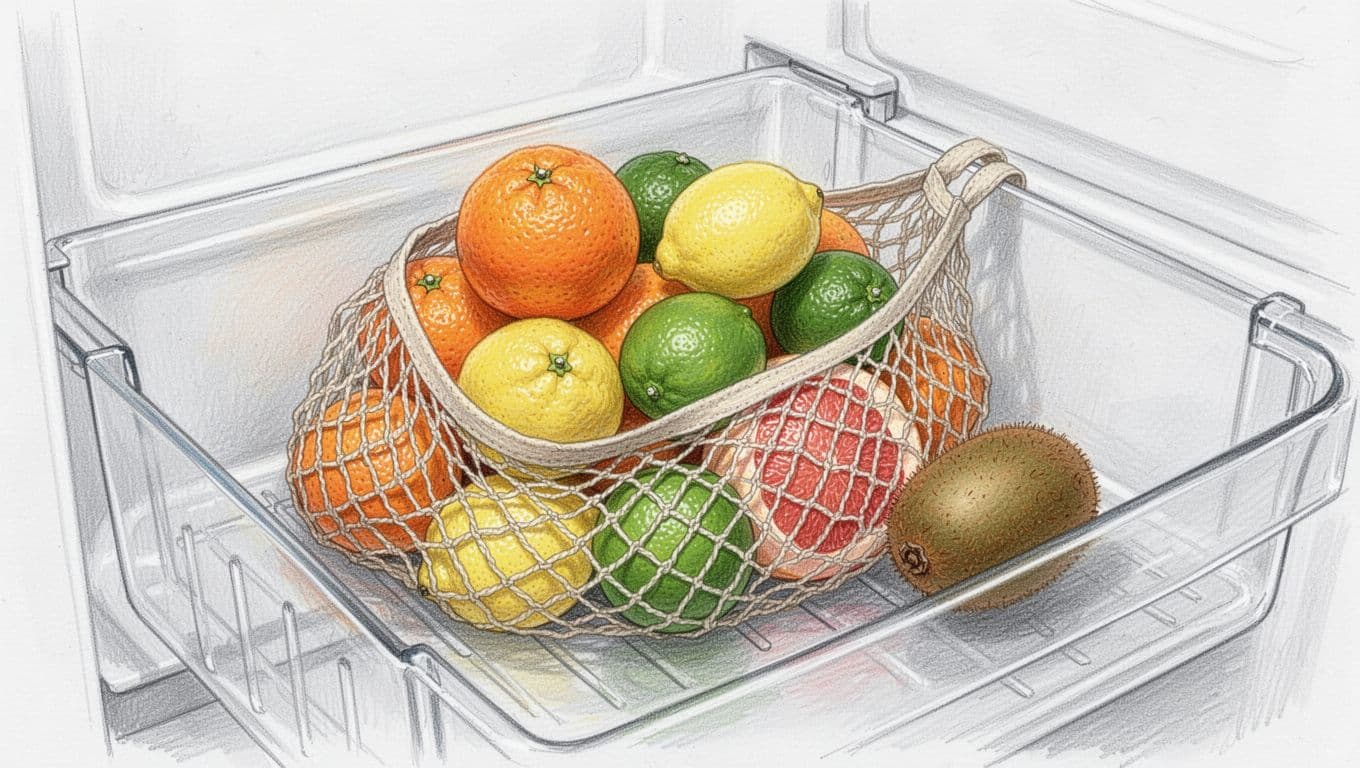
Citrus holds Vitamin C well in cool air. Place oranges and grapefruit in the fridge crisper drawer. A mesh bag lets air flow for up to two weeks.
Lemons and limes like counters better. They last a week there without drying out. Fridges make their skins tough.
Avoid sealed plastic bags. They trap moisture and speed rot. For details on citrus temperature effects, check this meta-analysis on storage times.
Berries That Burst with Vitamin C: Strawberries, Blueberries, Raspberries
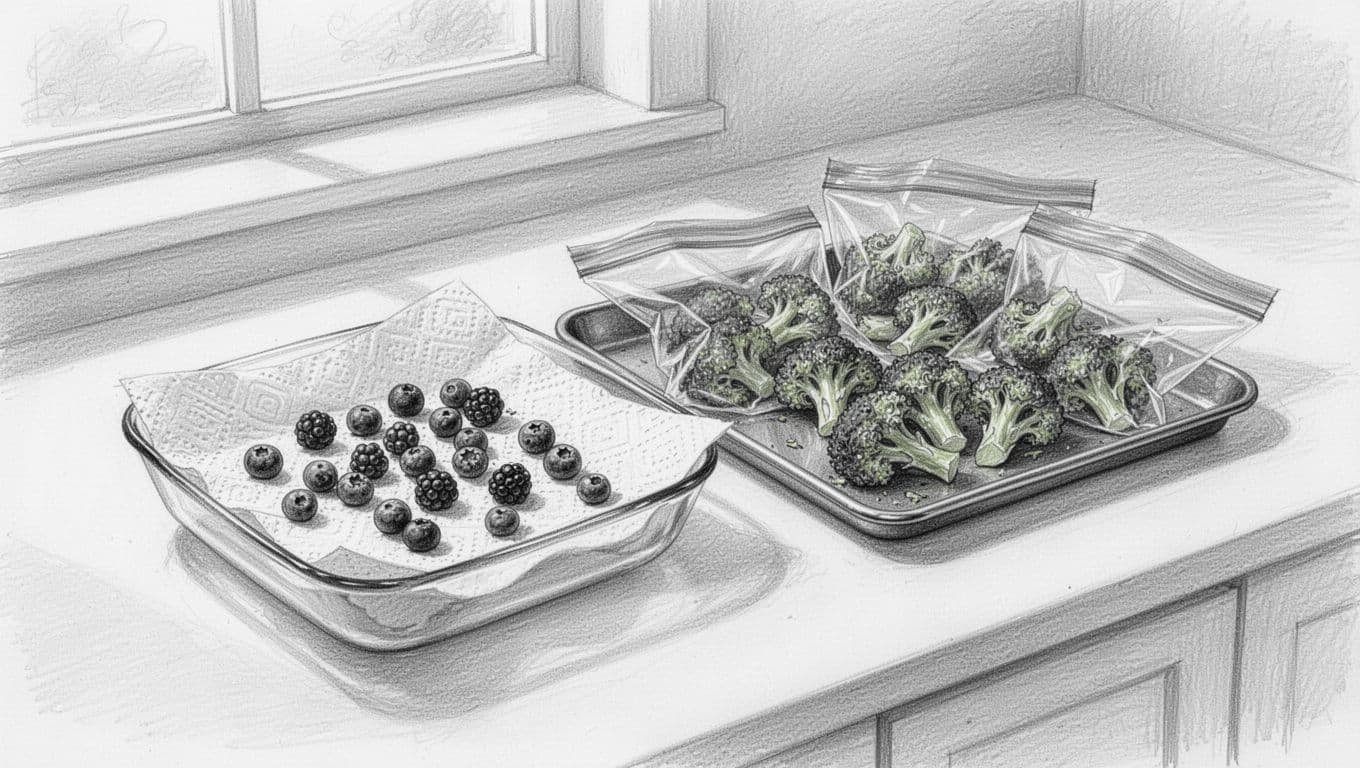
Berries spoil fast from their own juices. Rinse them only right before eating. Store unwashed on a paper towel-lined tray in the fridge.
Keep a single layer to avoid crushing. They hold for three to seven days this way. Toss mushy ones quick. They spread spoilage.
Freezing works great too. Spread berries flat first, then bag them. This locks in Vitamin C for months.
Kiwi and Other Fuzzy Favorites
Kiwi ripens at room temperature. Let it soften until it yields to gentle pressure. Then move to the fridge in a ventilated bag.
Whole kiwis last up to a month cold. Cut them just before use. Air zaps Vitamin C fast after slicing. Science-backed kiwi tips confirm low-humidity crispers drop loss to eight percent over weeks, per storage methods guide.
Protect Vitamin C in Veggies Like Broccoli and Bell Peppers
Veggies face ethylene gas from fruits. It speeds ripening and nutrient loss. Store them apart in low-humidity drawers.
Broccoli and peppers top Vitamin C lists. Keep them cool and dry. Recent studies back separation for best retention.
Current food safety notes stress clean, quick use. Fridges beat counters here too.
Broccoli and Cauliflower Keep Crunch and Vitamins
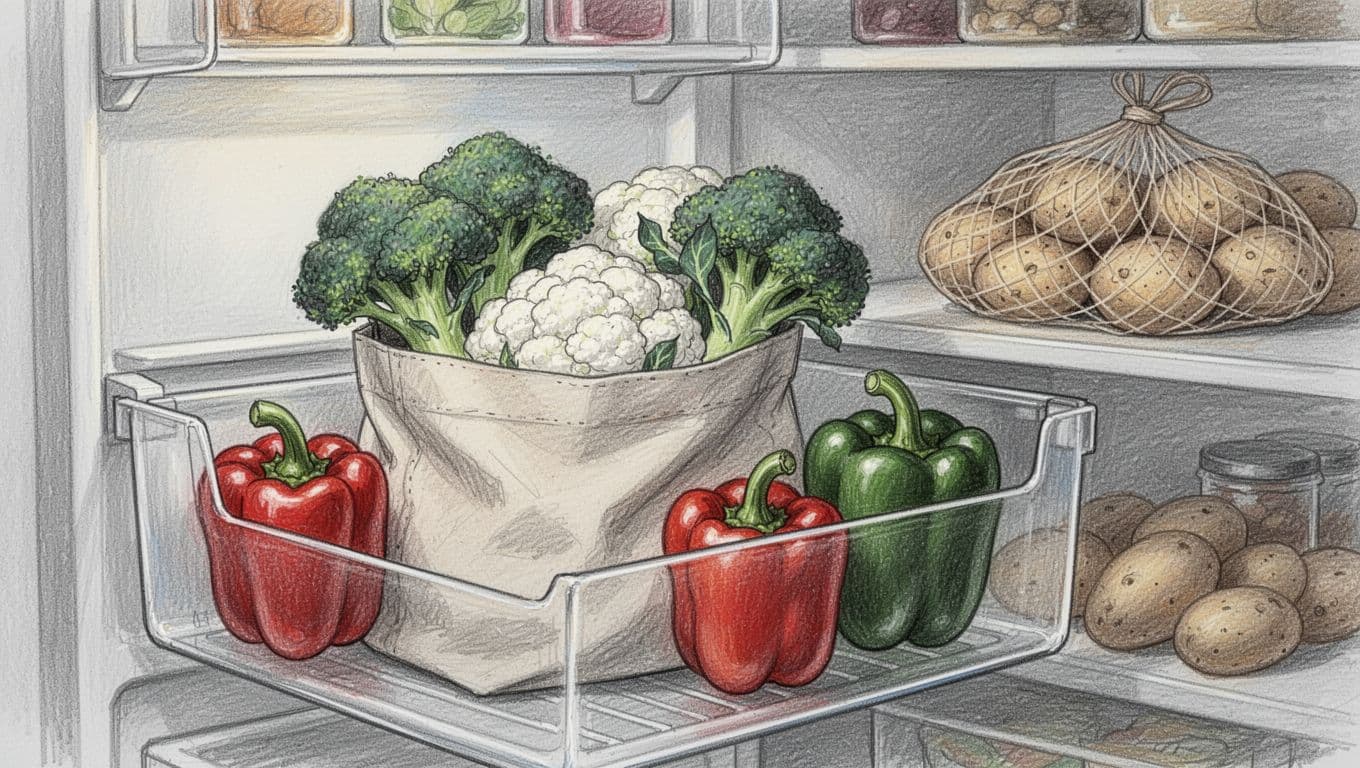
Seal broccoli in a fridge drawer bag. Keep it away from apples or bananas. It lasts one to two weeks fresh.
Trim outer leaves but leave the stem. A damp towel wrap helps if air feels dry. Cauliflower follows the same rules.
Bell Peppers Stay Sweet and Nutritious
Whole peppers go in the low-humidity crisper. They hold Vitamin C for seven days. Red ones pack the most.
Cut pieces need airtight containers. Use them in three days max. Exposure doubles loss.
Potatoes and Other Root Veggies
Potatoes hate the fridge. Cold turns starches to sugars. That hurts Vitamin C and taste.
Use a cool, dark pantry spot instead. A mesh bag allows air flow. They store months this way.
Freezing and Everyday Habits That Boost Vitamin C Retention
Freezing tops fridge life for Vitamin C. It halts breakdown almost fully. Blanch veggies first to kill enzymes.
Flash-freeze berries on trays. Then bag them airtight. No ice crystals form this way.
For broccoli, blanch in boiling water 30 seconds. Ice bath stops cooking. Freeze flat, then store.
Blanching guides from extension services detail times per veggie, like Michigan State’s freezing bulletin. One comparison showed frozen holds more Vitamin C than refrigerated over time, per ACS journal research.
Daily habits matter too. Wash minimally before storage. Seal cut pieces tight. Cook low-heat later.
Avoid these mistakes: over-peeling skins, piling warm produce on counters, tight plastic wraps, fridge fruits near veggies, ignoring mushy spots.
Keep More Vitamin C on Your Plate
Fridge most high-Vitamin C produce like citrus, berries, broccoli, and peppers. Note exceptions for potatoes and lemons. Freeze extras after blanching where needed.
These steps match latest science. You cut loss in half easy. Your body gets the boost it craves.
Try one change this week, like berry trays. Share your results in comments below. How much fresher does your fridge feel now?