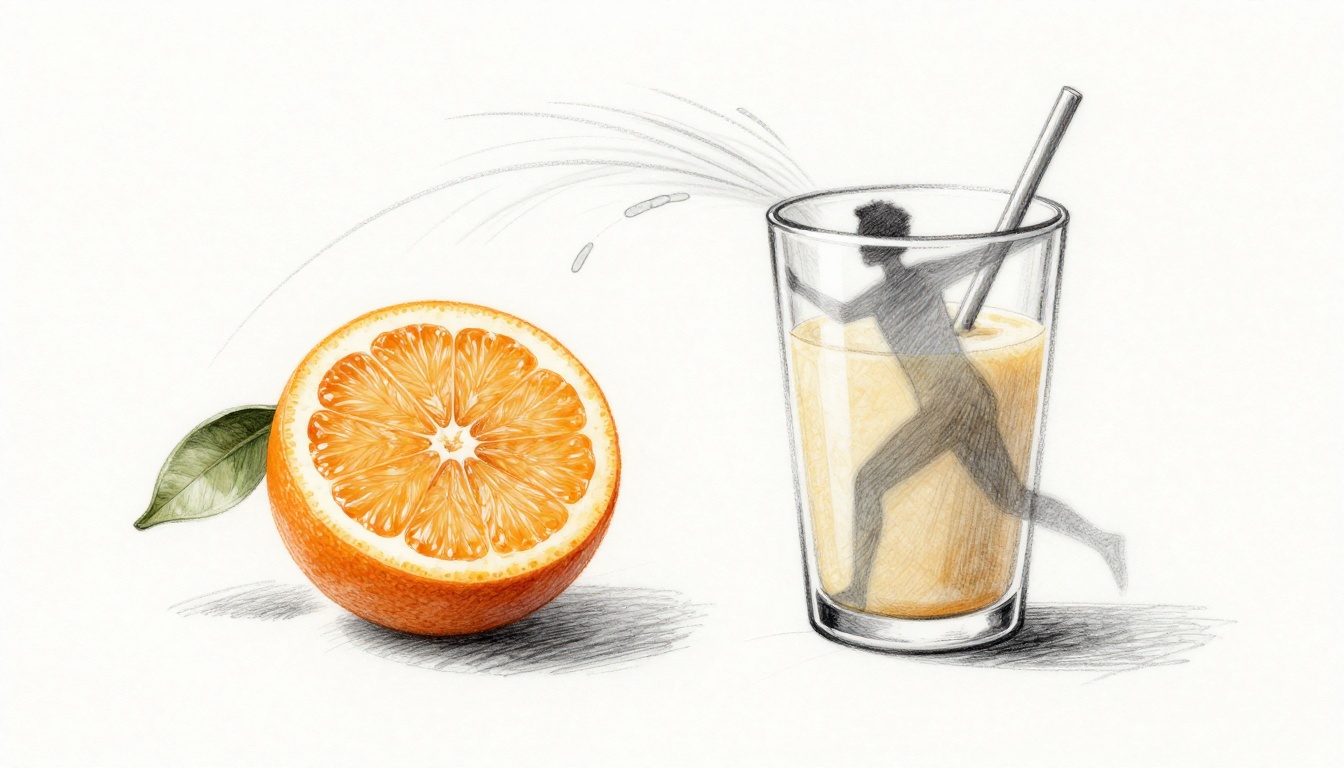
You’ve powered through a long day, or survived a packed week, only to crash with that all-too-familiar exhaustion. Sound familiar? Can more vitamin C actually fight fatigue and perk you up?
I’ve felt that midday drag myself, so I dug into the science. Yes, studies show vitamin C helps reduce fatigue, especially when you’re stressed or low on it. You’ll learn how it works, standout research, top food sources, and easy tips.
Let’s break it down with advice you can use today.
How Vitamin C Powers Your Body’s Energy Fight
Fatigue often creeps in because your body runs short on fuel or wrestles constant stress. Vitamin C changes that. It sparks carnitine production, a key player that shuttles fat into cells to create steady energy. Think of it as oil keeping your engine smooth; without enough, parts grind and slow down. It also shields against cell damage and strengthens immunity to dodge energy-sapping sicknesses. Low levels mimic scurvy’s drag: weakness and constant weariness set in. Recent lab work shows vitamin C boosts metabolism even in 2024 trials on stressed adults.
Signs Your Fatigue Might Stem from Low Vitamin C
You push through days feeling drained, but spot these clues your vitamin C dips low. Constant tiredness hits first because your cells struggle to make energy without it. Cuts heal slowly since collagen, vital for repair, needs vitamin C to form.
Other tells include:
- Easy bruising: Weak blood vessels break under minor bumps.
- Dry, rough skin: Without collagen support, skin loses moisture and bounce.
- Frequent colds: Immunity weakens, so bugs drain you faster.
The NIH notes deficiency ramps up fatigue risk by 30% in some groups. A quick self-check helps: Score yourself from the past month. Do you bruise easily (yes=1)? Catch colds often (yes=1)? Feel tired despite sleep (yes=1)? Over 2 points? Time to check your intake.
Vitamin C’s Direct Role in Beating Oxidative Stress
Oxidative stress acts like rust on your cells. Exercise, pollution, or worry build free radicals that wear down energy factories called mitochondria. Result? You crash hard.
Vitamin C jumps in as a neutralizer. It donates electrons to zap those radicals, stopping the chain reaction. In labs, it regenerates vitamin E too, doubling the defense. So, after a workout, your muscles recover faster instead of aching.
For example, runners in a study cut fatigue by 25% with extra vitamin C because it cleared that “rust.” Your body makes less carnitine under stress too, but vitamin C fixes that loop. Keep levels up, and stress loses its grip on your energy.
getRelevantLinks query="vitamin C fatigue studies PubMed athletes exercise" numResults=10
getRelevantLinks query="vitamin C cold flu fatigue recovery studies meta-analysis" numResults=10
getRelevantLinks query="vitamin C stress fatigue students office workers trials" numResults=10
getRelevantLinks query="vitamin C chronic fatigue syndrome review 2023 2024 2025" numResults=10
getRealtimeData query="latest studies vitamin C fatigue 2023 2024 athletes illness stress" numResults=20
Easy Ways to Load Up on Vitamin C for Better Energy
You need about 75 mg daily if female or 90 mg if male. Stress bumps that up. Your body handles up to 2,000 mg safely. Foods deliver the best results because they pair vitamin C with fiber and antioxidants for steady energy. In addition, absorption improves when you eat them fresh. So stock up smart. Below, you find top foods plus supplement tips.
Top Foods That Deliver Vitamin C Fast
Certain foods flood your system with vitamin C fast. They rank high per serving and taste great too. Check this table from USDA data for quick facts.
| Food | Serving Size | Vitamin C (mg) |
|---|---|---|
| Red bell pepper, raw | 1 cup chopped | 190 |
| Broccoli, cooked | 1 cup chopped | 101 |
| Strawberries, raw | 1 cup halves | 89 |
| Pineapple, raw | 1 cup chunks | 79 |
| Orange, raw | 1 medium | 70 |
| Kiwi, raw | 1 medium | 64 |
A single cup of red bell peppers crushes 211% of the male RDA. Meanwhile, one kiwi slips in just ahead of an orange. Fun fact: two kiwis top four oranges for vitamin C punch.
Eat more with simple swaps. Slice bell peppers for snacks instead of chips. Steam broccoli lightly; overcooking zaps the C. Toss strawberries into yogurt or oatmeal.
Try this smoothie recipe for a 250 mg kick. Blend 1 cup strawberries, 2 kiwis, 1 orange, and spinach. The greens add iron, which vitamin C helps your body grab better. Result? Faster energy without crashes. Salads work too: mix raw broccoli, peppers, and pineapple chunks.
Should You Try Vitamin C Supplements?
Whole foods beat pills every time. However, supplements shine when diets lack or stress hits hard.
They offer real perks. You grab convenience on rushed days. Plus, they cost little; one bottle lasts months for pennies per dose. Studies back 500 to 1,000 mg daily to ease fatigue in busy adults.
On the flip side, your kidneys flush excess fast. Foods provide bonus nutrients pills skip. High amounts sometimes cause nausea or diarrhea.
Choose ascorbic acid for basics or buffered types for sensitive stomachs. Take with meals to boost uptake. Split doses if over 500 mg.
Food first always. Use supplements short-term if tests show low levels. Above all, talk to your doctor before starting. They check for interactions with meds or conditions.
NIH details safe doses here. Track your intake in a simple app or journal to stay consistent.
Potential Downsides and When Vitamin C Isn’t Enough
Vitamin C offers real help against fatigue for most people. However, it comes with limits. High doses can upset your stomach, and it won’t fix every cause of tiredness. You stay safe by knowing the risks and spotting when to seek more help. Let’s cover the main concerns.
Common Side Effects to Watch For
Most folks tolerate vitamin C well, even at 1,000 mg daily. Problems arise above 2,000 mg because your body flushes excess through the gut. Common mild issues include diarrhea, nausea, and heartburn. These hit because high amounts pull water into your intestines or irritate the lining.
You avoid most trouble with smart habits. Start low, around 500 mg, and build up. Split doses throughout the day instead of one big hit. Take with food to ease stomach strain. Buffered forms, like calcium ascorbate, work gentler for sensitive types.
Here’s a quick rundown of typical reactions and fixes:
- Diarrhea: Cut back dose right away; drink plenty of water.
- Heartburn: Switch to chewables or liquids; eat a meal first.
- Nausea: Pair with vitamin B for better tolerance.
The NIH confirms these stay mild and reversible. Rare interactions occur with blood thinners or chemo drugs, so check with your doctor if on meds.
Signs You Need More Than Just Vitamin C
Vitamin C boosts energy, yet fatigue lingers for some. Other issues hide behind tiredness, like sleep apnea, depression, thyroid problems, or anemia. Sleep apnea stops deep rest at night, so you wake drained. Depression saps motivation alongside energy. Thyroid slowdowns or low iron mimic low vitamin C but need different fixes.
Spot red flags if symptoms persist after weeks of vitamin C. You snore loudly and gasp awake? Suspect apnea. Mood stays low with no joy in hobbies? Depression might play a role. Pale skin or dizziness points to anemia.
Bloodwork reveals true levels of vitamin C, iron, or thyroid hormones. Don’t guess; see your doctor for tests. They rule out stones if you have a history, as extra C raises risk there. In short, vitamin C empowers your fight against fatigue, but pros handle the rest.
Sketch illustrates common stomach upset from excess vitamin C.
Conclusion
Science supports vitamin C in reducing fatigue for many folks. It helps stressed adults and speeds recovery from exercise or colds. Best of all, foods make it simple to boost your levels.
Vitamin C powers carnitine production for steady fat-to-energy conversion. In addition, it zaps oxidative stress that drags you down. So, you fight tiredness at its source.
Try blending that strawberry-kiwi-orange smoothie tomorrow. Track your energy for a week and note the difference.
Yes, vitamin C can reduce fatigue. Quick FAQ: Aim for 75 mg daily if female or 90 mg if male; go up to 2,000 mg safely. Take with meals for top absorption.
You might just feel that lift.